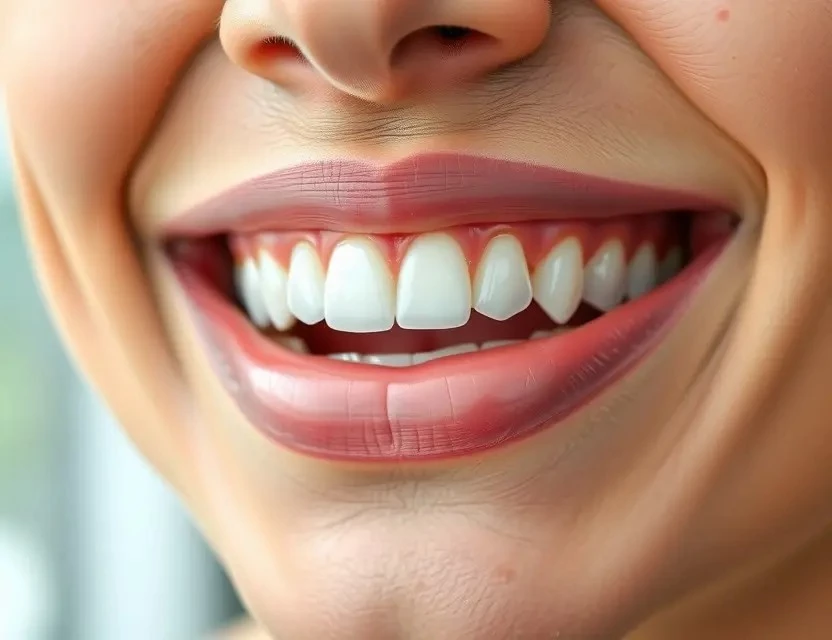
Maintaining the alignment of your teeth after orthodontic treatment is crucial for ensuring lasting dental stability. While retainers are the most common method for preventing tooth movement post-braces‚ there are alternative strategies you can employ to keep your teeth from shifting. Understanding these methods can help in preserving your oral health and prolonging the benefits of your orthodontic treatment.
Understanding Tooth Shifting
Tooth shifting is a natural process that can occur due to several factors‚ including changes in jaw position‚ periodontal health‚ and daily dental habits. After orthodontic treatment‚ such as braces‚ your teeth are vulnerable to shifting as they settle into their new positions. This is why it is crucial to maintain consistent dental care and adopt practices that prevent unwanted tooth movement.
Factors Contributing to Tooth Shifting
- Jaw Position Changes: Natural growth and aging can alter the position of the jaw‚ influencing the alignment of teeth.
- Periodontal Health: Gum disease can weaken the support structure of teeth‚ leading to shifts in alignment.
- Teeth Grinding: Bruxism or teeth grinding can exert pressure on teeth‚ encouraging movement.
- Daily Habits: Certain habits‚ such as tongue thrusting or incorrect swallowing‚ can cause teeth to shift.
Alternatives to Retainers for Preventing Tooth Movement
While retainers are effective‚ there are other dental appliances and practices that can help maintain teeth alignment and prevent movement.
Bite Guards and Night Guards
Bite guards and night guards are useful for individuals who grind their teeth. These devices act as a barrier‚ reducing the pressure exerted on the teeth and helping to maintain their alignment. They are particularly beneficial for those who experience teeth grinding during sleep.
Occlusal Splints
Occlusal splints are another type of dental appliance that can be used to stabilize the jaw position and prevent tooth movement. They are custom-fitted to the mouth and can help manage conditions like temporomandibular joint disorders (TMJ)‚ which can contribute to shifts in tooth alignment.
Improving Oral Hygiene and Dental Habits
Maintaining excellent oral hygiene is essential for periodontal health and reducing the risk of tooth movement. Regular brushing and flossing can prevent gum disease‚ which is a leading cause of tooth shifting. Additionally‚ adopting healthy dental habits‚ such as avoiding hard foods and using proper chewing techniques‚ can contribute to long-term dental stability.
Regular Dental Consultations
Consistent visits to the dentist are vital for monitoring the position of your teeth and addressing any potential issues early; Dental professionals can provide guidance on maintaining teeth alignment and suggest appropriate interventions‚ such as dental appliances‚ if needed.
The Role of Orthodontic Treatment in Teeth Alignment
Orthodontic treatment‚ such as braces‚ plays a critical role in aligning teeth and ensuring a healthy bite. However‚ the work does not end once the braces are removed. Aftercare is essential to maintain the results achieved through treatment.
Orthodontic Check-Ups
Post-treatment dental consultations allow orthodontists to assess the stability of your teeth alignment and make necessary adjustments. These check-ups can help in identifying shifts early and implementing measures to prevent further movement.
Customized Dental Appliances
In some cases‚ orthodontists may recommend customized dental appliances tailored to your specific needs. These can include specialized night guards or occlusal splints designed to prevent tooth movement and ensure ongoing dental stability.
While retainers are a common tool for preventing tooth movement after orthodontic treatment‚ there are several other effective strategies to maintain teeth alignment. By utilizing bite guards‚ maintaining excellent oral hygiene‚ adopting healthy dental habits‚ and attending regular dental consultations‚ you can effectively prevent unwanted tooth movement and preserve the results of your orthodontic treatment. Remember‚ proactive dental care is key to ensuring a lifetime of healthy‚ well-aligned teeth.
