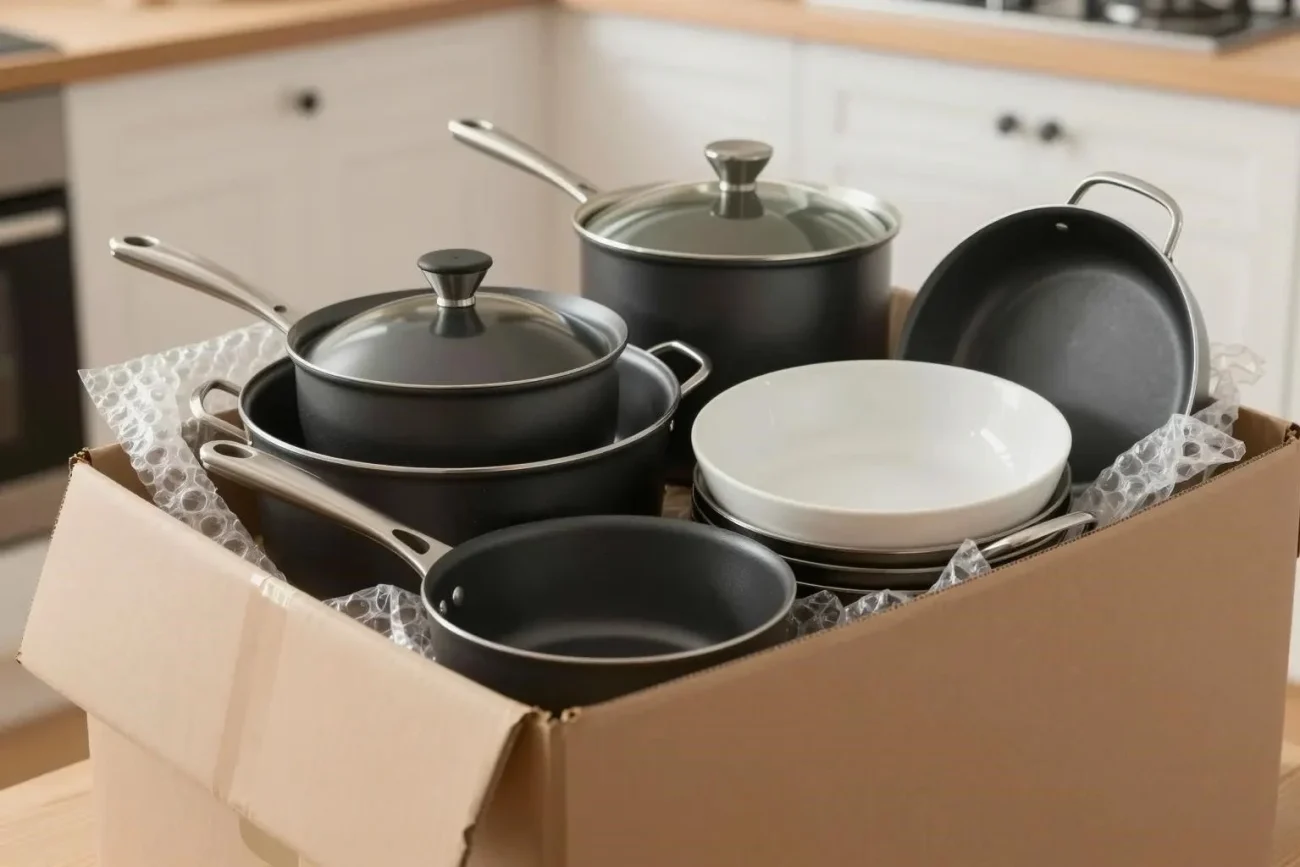
Moving can be an overwhelming experience, especially when it comes to packing your kitchenware and cookware. Your pots and pans are essential items in your home, and packing them improperly could lead to damage during transportation. In this article, we will provide you with detailed moving tips on how to pack your pots and pans efficiently and effectively, ensuring they arrive at your new home intact.
Understanding Your Packing Needs
Before you begin packing, it’s important to gather all the necessary moving supplies. This includes sturdy cardboard boxes, bubble wrap, packing paper, and dish towels. Having the right materials will help safeguard your fragile items during the moving process. Here’s a comprehensive list of supplies you will need:
- Cardboard boxes (various sizes)
- Bubble wrap
- Packing paper
- Dish towels
- Protective gear (gloves, masks if needed)
- Markers (for labeling boxes)
Preparing Pots and Pans for Packing
Once you have your supplies ready, it’s time to prepare your pots and pans for packing. Here are some important steps to ensure that your cookware is ready to be packed:
- Clean Your Cookware: Before packing, ensure that all pots and pans are thoroughly cleaned and dried. Residue can stick to surfaces and create odors in transit.
- Inspect for Damage: Check for any defects or weak spots in your cookware. This is the perfect time to decide what to keep and what to discard.
- Organize by Size: Group similar-sized pots and pans together to make the packing process more efficient and to maintain organization.
Optimal Packing Techniques
Now that your pots and pans are clean and organized, it’s time to pack them using techniques that minimize the risk of damage:
Using Bubble Wrap
For your most fragile cookware items, bubble wrap serves as an excellent protective layer. Here’s how to use it effectively:
- Wrapping Individual Items: Take each pot and wrap it in bubble wrap, ensuring that all surfaces are covered. This prevents scratches and protects against accidental bumps.
- Securing Lids: Lids can break easily, so wrap them separately in bubble wrap as well. If possible, nest lids inside their corresponding pots.
Padded Layering
For added protection:
- Dish Towels as Padding: Use folded dish towels between stacked items. This provides additional cushioning and prevents clanging.
- Stacking Carefully: When stacking pots, place smaller pots inside larger ones. This will not only save space but also allow for better organization in the moving boxes.
Choosing the Right Box Size
Choosing appropriately sized cardboard boxes is key:
- Small to Medium Boxes: Use small or medium boxes for heavier pots and pans. Large boxes can become too heavy and cumbersome.
- Labeling: Clearly label each box with “Kitchen” and any other relevant details for easy identification upon arrival.
Finalizing the Packing Process
After packing your pots and pans, finishing touches are necessary before the big move:
Sealing and Securing
Make sure that our boxes are well sealed. Here are some essential steps:
- Use Packing Tape: Seal the boxes securely with strong packing tape to prevent them from opening during transportation.
- Double-Check Seals: Before moving the boxes, double-check to ensure that they are all securely sealed.
Organizing Boxes for Transportation
When loading the boxes onto the moving truck, follow these guidelines:
- Heavier Items on the Bottom: Load heavier pots and pans on the bottom to prevent crushing lighter items.
- Keep Fragile Items Accessible: Place fragile cooking items near the top of the load so they are easier to unload carefully.
Unpacking and Setting Up Your Kitchen
Once you arrive at your new home, unpacking your kitchen efficiently is key:
Organization Upon Arrival
Start with these steps:
- Unpack by Necessity: Begin unpacking items based on what you’ll need immediately. Start with essential cookware before moving onto other kitchenware.
- Check for Damage: Examine each item for any damage that may have occurred during the move. If you find any broken pieces, take note of them for potential replacement.
Establishing a Functional Kitchen
To establish functionality in your new kitchen:
- Group Similar Items: Place pots and pans near where you’ll likely be cooking to maintain easy access.
- Use a Systematic Approach: Arrange your cookware in a systematic manner for ease of use. For example, keep frying pans next to spatulas and pots near ladles.
Additional Tips for Packing Cookware
Here are some additional moving tips to ensure your packing process is as smooth and safe as possible:
- Consider whether you need to disassemble any items for easier packing.
- Utilize vertical space for stacking pots and pans safely.
- Make sure packing materials are free of dust and dirt before use.
- Ditch broken or damaged items before packing to save time.
Packing pots and pans for moving doesn’t have to be a daunting task if you follow these detailed tips and use the right packing supplies. By taking the time to prepare, use effective packing techniques, and organize everything upon arrival, your cookware will remain intact and ready for use in your new kitchen.
Remember, the key to success lies in securing your fragile items, utilizing the right packing materials, and maintaining organization throughout the process. With these strategies, you’ll simplify your move and enjoy your new kitchen in no time!
