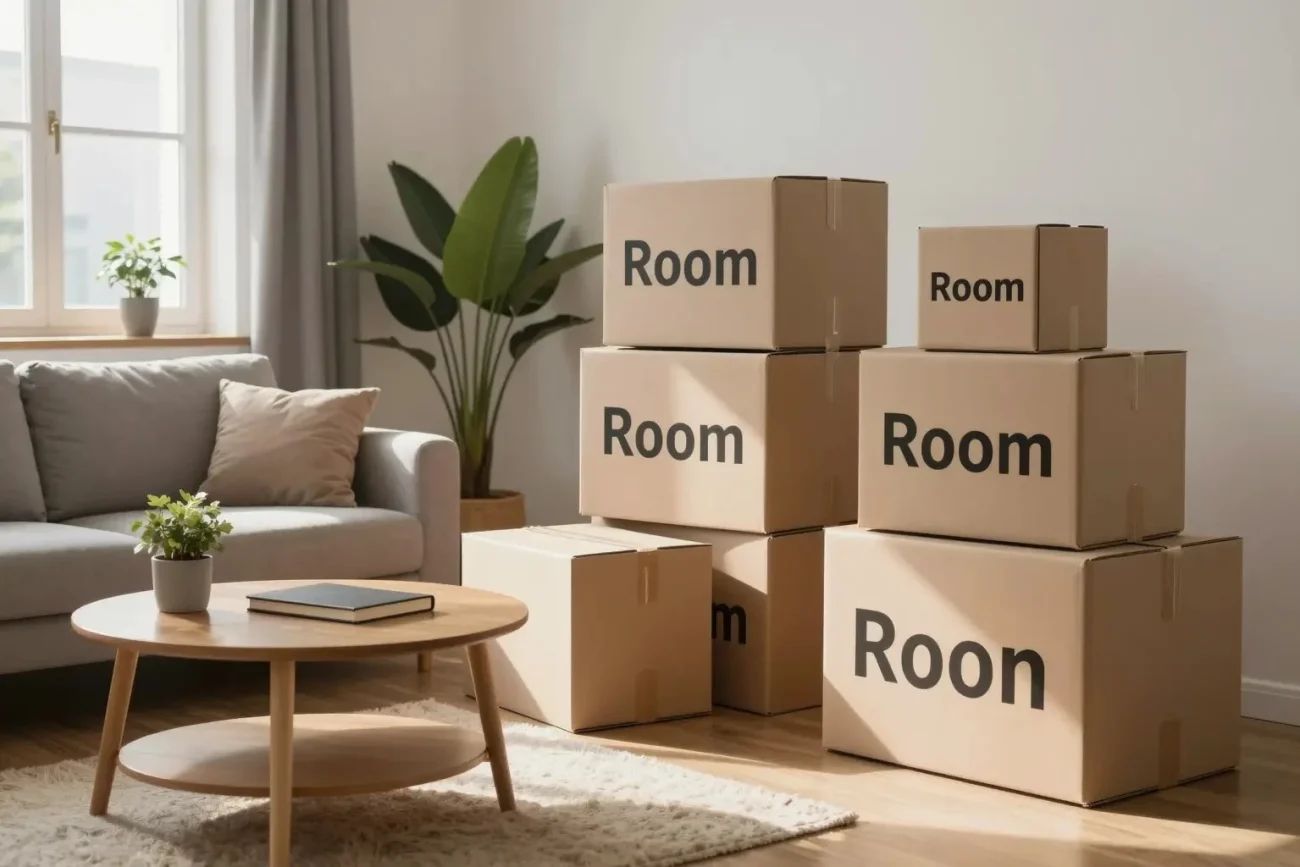
Moving to a new home is an exciting milestone, but it can also be overwhelming․ Organizing your packing process can significantly ease the transition․ With careful planning and execution, you can make your relocation efficient and stress-free․ This comprehensive guide will walk you through the steps of packing your house effectively․
Preparing for the Move
Before you start moving, it is crucial to get organized․ This involves creating a checklist, gathering necessary supplies, and planning your logistics․
Checklist
Creating a checklist helps to ensure that you don’t overlook any important tasks․ Include items such as notifying utility companies, forwarding your mail, and arranging for transportation․
Gather Supplies
Collect the essential packing supplies such as boxes, bubble wrap, packing tape, markers for labeling, and furniture covers․ Buying quality materials can prevent damage during transportation․
Plan Logistics
Determine the best route for moving day and book a moving truck or professional movers in advance․ Ensure you have a clear understanding of the logistics involved in your relocation․
Decluttering Your Home
Packing is the perfect opportunity to declutter your home․ Reducing the volume of items to pack can save time and effort․
Sort Through Belongings
Go through each room and decide what to keep, donate, or discard․ Be honest about what you use and need․
Organize by Category
Organizing items into categories like clothes, books, and kitchenware can streamline the packing process․
Packing Efficiently
Once you have decluttered, it’s time to start packing․ Prioritize organization and labeling․
Start with Non-Essentials
Begin packing items you don’t use daily, such as seasonal clothing or decorations․ This will help you maintain a functional living space until moving day․
Using Boxes
Choose the right size boxes for your items․ Heavy items go in small boxes, while lighter items can fill larger ones․ Ensure boxes are sturdy and not overpacked․
Labeling
Clearly label each box with its contents and the room it belongs to․ This aids in efficient unpacking and reduces confusion during the move․
Packing Fragile Items
Wrap fragile items with bubble wrap and place them in boxes with plenty of padding․ Mark these boxes as “fragile” to indicate careful handling is needed․
Special Considerations for Furniture and Large Items
Handling furniture requires extra care and planning;
Dismantling Furniture
If possible, dismantle larger pieces of furniture․ Keep screws and small parts in labeled bags attached to the respective furniture piece․
Protective Wrapping
Use furniture covers and bubble wrap to protect surfaces from scratches and damage during the move․
Transportation
Plan the transportation of furniture carefully to avoid damage․ Secure items properly in the moving vehicle․
Managing Inventory and Storage
Keeping track of your items and knowing what goes into storage can simplify your transition․
Inventory List
Create an inventory list of your packed boxes and major items․ This can be useful for both organization and insurance purposes․
Storage Solutions
If you need to store items temporarily, choose a storage solution that fits your needs․ Properly label and organize items going into storage for easy access․
Final Steps Before Moving Day
Ensure everything is ready for a smooth move․
Essential Box
Pack a box of essentials that you’ll need immediately upon arrival, such as toiletries, a change of clothes, and basic kitchen items․
Final Walkthrough
Conduct a final walkthrough of your home to ensure nothing is left behind․ Check closets, cabinets, and outdoor spaces․
Packing a house for a move can be a manageable task with proper organization, labeling, and planning․ By methodically approaching each step, from decluttering to transportation, you can ensure a smooth relocation․ Remember, preparation is key, and with these strategies, moving day will be less stressful and more successful․
