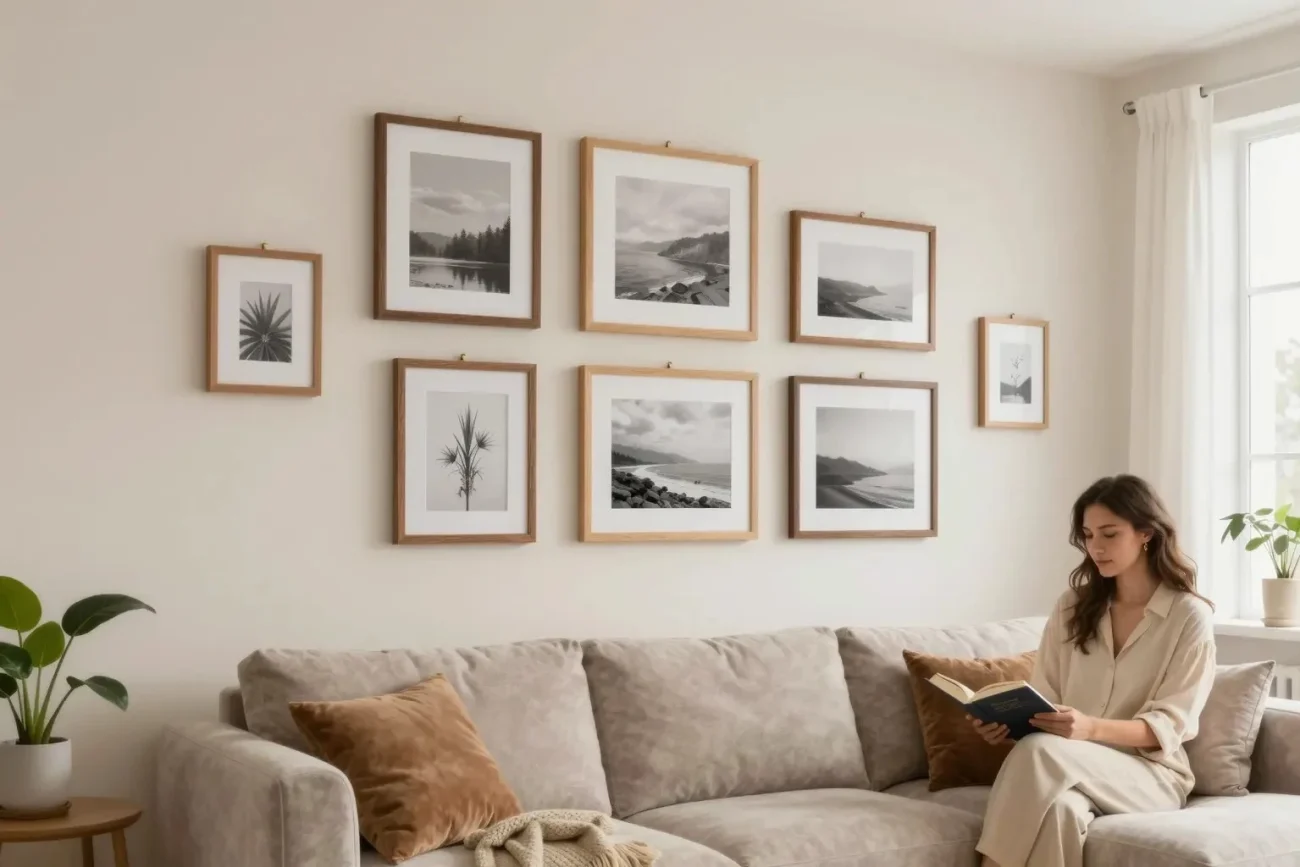
Hanging pictures and wall art can transform the aesthetic of a room, adding personal touches and artistic flair to your space. However, one common issue homeowners face is keeping these picture frames stable and preventing them from moving or tilting over time. Whether it’s due to vibrations, inadequate mounting, or an uneven wall surface, there are effective solutions available to ensure your wall decorations remain securely in place.
Understanding the Problem
The first step in keeping your pictures from moving is understanding the factors that cause them to shift. Common causes include:
- Vibrations: Movement from doors slamming, foot traffic, or nearby road traffic can cause picture frames to sway.
- Imbalanced Hanging: Uneven weight distribution or improper installation can lead to tilting.
- Wall Surface: Textured or uneven surfaces can prevent a flat and stable mount.
Selecting the Right Hanging Solutions
Choosing the appropriate hanging solutions is key to maintaining frame stability. Here are some options:
Picture Hooks
Picture hooks are a standard option for hanging frames. Ensure the hooks are rated for the weight of your artwork. Using two hooks can provide better balance and reduce the risk of tilting.
Wall Anchors
For heavier frames or wall art, wall anchors offer a more secure hold. They are especially useful for drywall installations and prevent the screws from pulling out.
Adhesive Strips
Adhesive strips are a great solution for lighter frames and rental spaces where wall protection is a priority. They are easy to remove and leave no residue. Ensure the strips are suitable for the weight of your frame.
Mounting Putty
Mounting putty can be used to provide additional stability to the corners of picture frames, reducing movement and vibration.
Ensuring Picture Alignment
Proper alignment is crucial for aesthetic balance and preventing movement. Here are some tips:
- Use a Level: Always use a level when hanging frames to make sure they are straight from the start.
- Mark Your Spots: Use a pencil to mark the wall where the screws or hooks will go to ensure accurate placement.
- Check Regularly: Periodically check the alignment of your pictures and make adjustments as necessary.
Implementing Anti-Tipping Solutions
To further secure your wall hangings, consider anti-tipping measures:
Secure Wall Hangings
Attach anti-tip kits to the back of the frame and the wall. These kits often include brackets and cables that provide extra security.
Consider Frame Stabilizers
Metal or rubber bumpers placed at the bottom corners of the frame can prevent slipping and maintain contact with the wall.
Maintaining Balance and Vibration Reduction
Reducing vibration is crucial for keeping your pictures steady. Here’s how you can minimize vibrations:
- Wall Protection: Use felt pads or rubber bumpers behind frames to dampen vibrations.
- Reinforce Weak Walls: If walls are thin or weak, consider reinforcing them with plywood or using thicker drywall.
Choosing the Right Picture Hanging Hardware
The right hardware can make a significant difference in the stability of your wall art. Look for hardware that:
- Has a weight rating suitable for your picture frames.
- Is appropriate for the wall type (e.g., drywall, plaster, brick).
- Includes anti-slip or locking mechanisms.
Techniques for Straightening and Alignment
To keep frames straight over time, employ these techniques:
- Use Double Hooks: Hanging with two hooks can provide better stability than a single one.
- Adjust Regularly: Small adjustments can prevent larger shifts over time.
Ensuring your picture frames and wall art remain stable and aligned involves understanding the causes of movement, selecting the right hanging solutions, and implementing techniques for secure installations. By addressing these aspects, you can enjoy beautifully displayed pictures that enhance your living space without the hassle of constant adjustments.
