In a world where everything seems to be in constant motion, there are certain phenomena that exhibit fluctuations without physically moving. These are abstract concepts that influence various aspects of our lives. This article explores a range of elements that can rise and fall without any physical displacement, impacting everything from our daily decisions to global economic trends.
Economic Indicators
Stock Prices
Stock prices are a prime example of values that can go up and down without moving. Stock prices are determined by market demand and supply, reflecting the perceived value and reputation of a company. Investors’ expectations and market sentiment play a crucial role in these fluctuations. A company’s stock price can experience significant changes due to shifts in investor mood, market pressure, and economic metrics.
Inflation and Interest Rates
Inflation and interest rates are critical economic metrics that can rise and fall, influencing the overall economy. Inflation represents the rate at which the general level of prices for goods and services is rising, eroding purchasing power. Central banks often adjust interest rates to control inflation, affecting borrowing costs and consumer demand. Both inflation and interest rates can change the economic landscape without any physical movement, yet their impact is far-reaching.
Natural Phenomena
Temperature
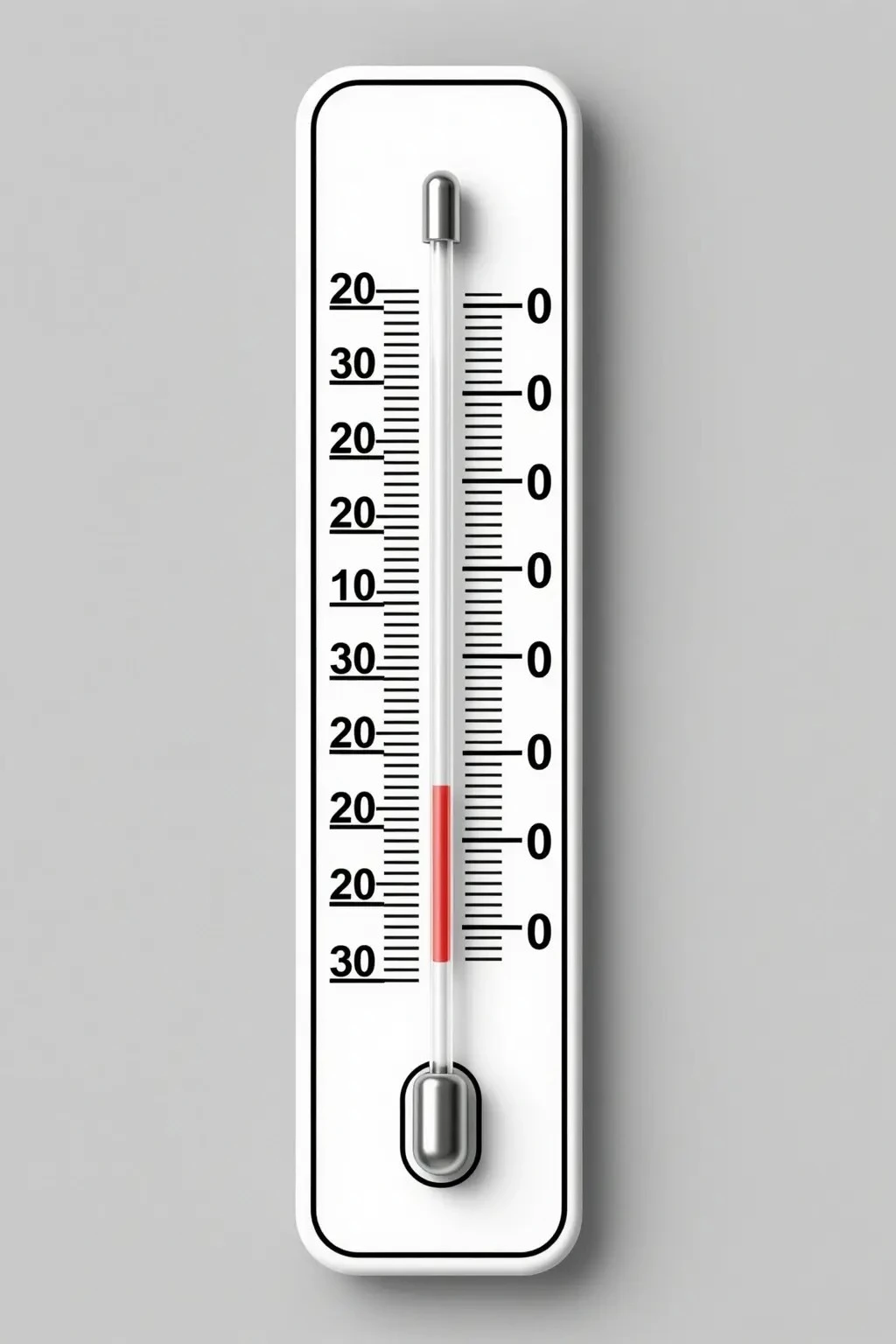
Temperature is a measure of the thermal energy of a system. It can rise and fall due to various factors such as weather patterns, climate change, or seasonal variations. Although temperature itself does not move, its fluctuations can have significant effects on ecosystems, human health, and energy demand.
Tides
Tides are the rising and falling of sea levels caused by the gravitational forces exerted by the moon and the sun. While the water itself moves, the concept of high and low tides describes levels that change without the actual body of water moving in a conventional sense. Tides impact marine life, coastal ecosystems, and human activities such as fishing and shipping.
Psychological and Physiological Factors
Mood and Blood Pressure
Our mood can fluctuate throughout the day due to various internal and external factors. Stress, expectations, and environmental changes can influence our emotional state, causing our mood to rise or fall. Similarly, blood pressure is a physiological metric that can change in response to stress, physical activity, and diet. These changes occur without any physical movement but significantly affect our well-being.
Social and Cultural Dynamics
Popularity and Reputation
Popularity and reputation are social constructs that can ascend or descend over time. A person’s or brand’s popularity can fluctuate based on public opinion, media coverage, and cultural trends. Reputation, influenced by past actions and perceived values, can also change, impacting relationships and opportunities.
Ratings and Expectations
Ratings and expectations are subjective metrics that can rise and fall based on performance, consumer feedback, and market trends. Movie ratings, product reviews, and service evaluations often change, reflecting consumer satisfaction and market competition. Expectations, whether personal or professional, can shift as circumstances evolve, impacting decision-making and outcomes.
Environmental and Physical Conditions
Pressure and Altitude
Pressure and altitude are environmental factors that can vary without physical movement. Atmospheric pressure changes with weather patterns and altitude, influencing weather forecasts and aviation. Altitude itself doesn’t move, but as one ascends or descends, the pressure and oxygen levels change, affecting physical performance and health.
Tension Levels
Tension can refer to both physical tension in materials and psychological tension in individuals. In materials, tension can increase or decrease due to external forces without the material itself moving. In individuals, psychological tension can fluctuate based on stress, workload, and interpersonal relationships, impacting mental health and productivity.
The concepts that can rise and fall without moving are integral to understanding the complexities of the world around us. From economic indicators like stock prices and interest rates to personal factors such as mood and blood pressure, these fluctuations play a critical role in shaping our environment, behavior, and decisions. Recognizing and analyzing these changes can provide valuable insights into both personal and societal dynamics, helping us navigate the ever-changing landscape of life.
